

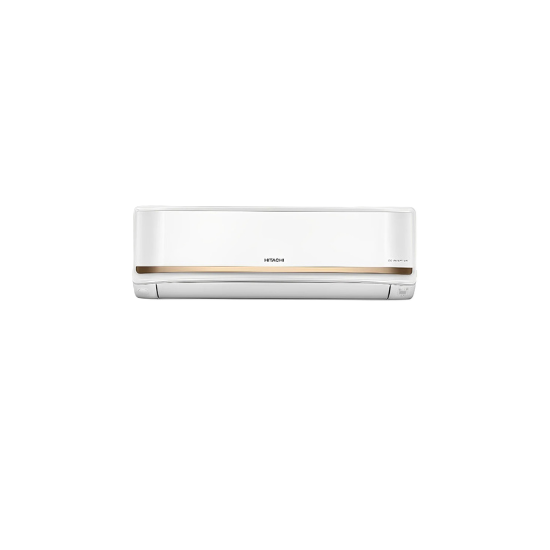
Choose between 1-ton and 1.5-ton AC capacity using room area, ceiling, sun exposure, occupancy, insulation, windows and Pondicherry climate.
Quick answer
One ton may suit many small bedrooms with moderate heat load, while 1.5 ton is commonly considered for larger or hotter rooms. Square feet alone is not enough: ceiling height, roof exposure, west-facing glass, occupants, insulation and appliances should be included in a professional heat-load assessment.
Decision summary
What to compare before buying
Use room area only as a starting point
A shaded middle-floor room can need less cooling than a same-size top-floor room with afternoon sun. Measure length, width and ceiling height, then note wall direction, window area, occupancy and equipment. These inputs help prevent guesswork.
Avoid undersizing and oversizing
An undersized AC may run continuously without reaching comfort. A heavily oversized unit can cool quickly but cycle poorly and may not manage humidity as expected. Variable-speed equipment helps modulate output, but correct base capacity remains important.
Compare performance after capacity
Once the heat load is established, compare ISEER, annual consumption, noise, airflow, warranty and service. Installation quality, vacuuming, pipe insulation and drain slope also affect the delivered performance of either tonnage.
Side-by-side
1-Ton vs 1.5-Ton AC: Which Size Is Right? comparison
| Factor | 1-ton AC | 1.5-ton AC |
|---|---|---|
| Typical use | Smaller, moderate-load room | Medium or higher-load room |
| Cooling output | Lower | Higher |
| Purchase cost | Usually lower | Usually higher |
| Decision | Heat load must support it | Avoid unnecessary oversizing |
Ranges are starting points. Confirm the current specification, energy label and installation requirements of the exact model before purchase.
Pondicherry buyer checklist
Complete these checks before you pay
- Measure twice: record the product space, doorway, staircase or lift, ventilation, door swing and connection points.
- Compare exact models: check capacity, current energy information, included accessories, warranty and model number.
- Clarify installation: ask what standard installation includes and list any pipes, brackets, wiring or plumbing charged separately.
- Protect the paperwork: keep the tax invoice, serial number, delivery note, warranty registration and installation record.
- Plan maintenance: follow cleaning and service intervals in the manual and use authorised support during warranty.
Local appliance support
How Grass Enterprises helps Pondicherry buyers
Grass Enterprises helps households and businesses compare home appliances and electronics by space, capacity, features and budget. Visit or contact the Mudaliarpet team to discuss currently available products, delivery, installation guidance and after-sales assistance.
Grass Enterprises
No. 187, Poincare Street, TM Nagar, Keerapalayam, Mudaliarpet, Puducherry – 605004
People also ask