
Compare electric roti makers and tawas by dough technique, speed, texture, control, energy source, learning curve, cleaning and storage.
Quick answer
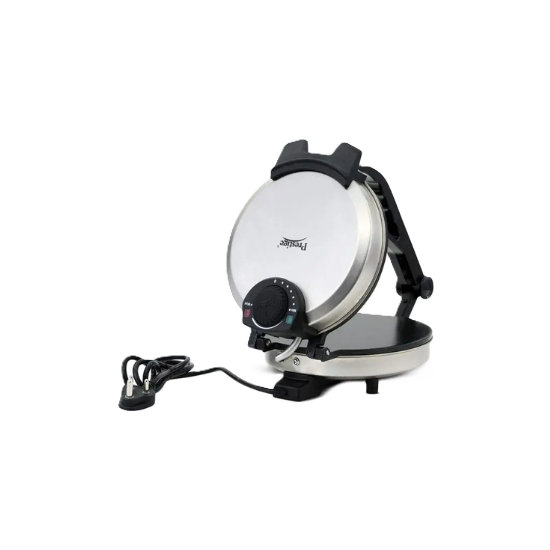
Choose a roti maker for integrated pressing and electric heating when consistent dough and technique are practical. Choose a tawa for direct control, traditional workflow and flexibility across roti sizes and other flatbreads. Neither guarantees softness without correct dough hydration and timing.
Decision summary
What to compare before buying
Compare the preparation workflow
Roti-maker dough often needs softer consistency and careful resting. The press reduces rolling but users must learn pressure and timing. A tawa requires rolling skill but offers direct visual control of puffing and browning.
Evaluate speed for a full meal
A roti maker heats and presses in one station, while tawa preparation can overlap with rolling the next piece. Actual family speed depends on experience, plate recovery time and dough portions, not the appliance claim alone.
Consider durability and cleanup
Protect non-stick press plates from metal tools and abrasion. For a tawa, follow seasoning or coating care suited to its material. Compare storage footprint and whether the dedicated appliance will be used frequently enough.
Side-by-side
Roti Maker vs Tawa: Which Is Better for Daily Use? comparison
| Factor | Roti maker | Tawa |
|---|---|---|
| Shaping | Press plate | Usually rolled manually |
| Heat | Electric plates | Gas or induction-compatible tawa |
| Control | Model-dependent | Direct flame/power control |
| Versatility | Focused appliance | Many flatbreads and roasting tasks |
Ranges are starting points. Confirm the current specification, energy label and installation requirements of the exact model before purchase.
Pondicherry buyer checklist
Complete these checks before you pay
- Measure twice: record the product space, doorway, staircase or lift, ventilation, door swing and connection points.
- Compare exact models: check capacity, current energy information, included accessories, warranty and model number.
- Clarify installation: ask what standard installation includes and list any pipes, brackets, wiring or plumbing charged separately.
- Protect the paperwork: keep the tax invoice, serial number, delivery note, warranty registration and installation record.
- Plan maintenance: follow cleaning and service intervals in the manual and use authorised support during warranty.
Local appliance support
How Grass Enterprises helps Pondicherry buyers
Grass Enterprises helps households and businesses compare home appliances and electronics by space, capacity, features and budget. Visit or contact the Mudaliarpet team to discuss currently available products, delivery, installation guidance and after-sales assistance.
Grass Enterprises
No. 187, Poincare Street, TM Nagar, Keerapalayam, Mudaliarpet, Puducherry – 605004
People also ask